
About the Book
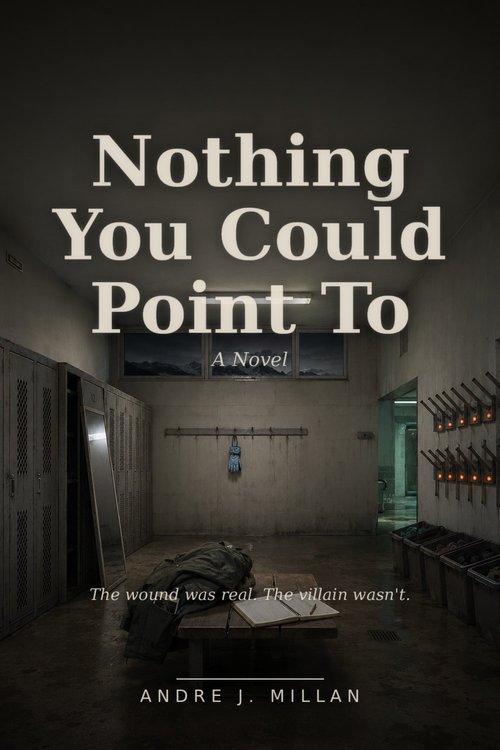
Nothing You Could Point To
A spoiler-free guide for prospective readers.
Is this literary fiction or a thriller?
This is literary fiction. While it carries an undercurrent of tension and unanswered questions, its pleasures lie in close observation, interior life, and precise prose rather than plot mechanics or pace-driven suspense. Readers looking for a quiet, character-centered novel will feel at home.
Is there action?
Not in the conventional sense. This is an interior, slow-burn novel built around small physical tasks, charged conversations, and the texture of an off-season setting. The drama is emotional and psychological, unfolding through restraint and the spaces between what characters say.
What themes does it explore?
Among its central concerns are memory, the weight of long-held decisions, the boundaries between what is done to us and what we choose, and the difference between drifting and deciding. It also lingers on inheritance, accountability, and the quiet ways people manage one another. These are explored as open questions rather than tidy lessons.
What kind of atmosphere does it have?
Spare, hushed, and atmospheric. The novel inhabits a remote resort at the turn of a season—cold concrete, flat grey light, humming fluorescents, the sound of wind finding gaps in a building. The mood is contemplative and faintly suspended, the kind of stillness that makes small details feel significant.
Who would enjoy it?
Readers who love quiet, finely observed literary fiction—the kind of book where mood, interiority, and precise language matter more than incident. If you appreciate restrained, atmospheric storytelling that trusts you to sit with ambiguity and rewards close attention, this one is for you.