
About the Book
The Record of a Seam
A spoiler-free guide for prospective readers.
Is this literary fiction or a thriller?
This is literary fiction. While it unfolds within a tense legal proceeding, its concerns are interior and atmospheric rather than plot-driven. The prose moves slowly and deliberately, attentive to texture, gesture, and the weight of small physical details. Readers looking for a procedural page-turner should know that the tension here is psychological and moral rather than action-based.
Is there action?
Not in the conventional sense. The drama lives in conversation, silence, and observation—in what passes between people in waiting rooms and corridors. The energy comes from charged exchanges and the quiet pressure of decisions being weighed, not from physical events. This is a book of stillness, where the smallest movements carry enormous freight.
What themes does it explore?
The novel sits with questions of loyalty, family obligation, complicity, and the gap between what a record says and what is true. It examines silence as a choice, the burden of knowledge, and how people justify the things they carry. These themes are explored as lived tension rather than resolved arguments—the book is more interested in the difficulty of these questions than in answering them.
What kind of atmosphere does it have?
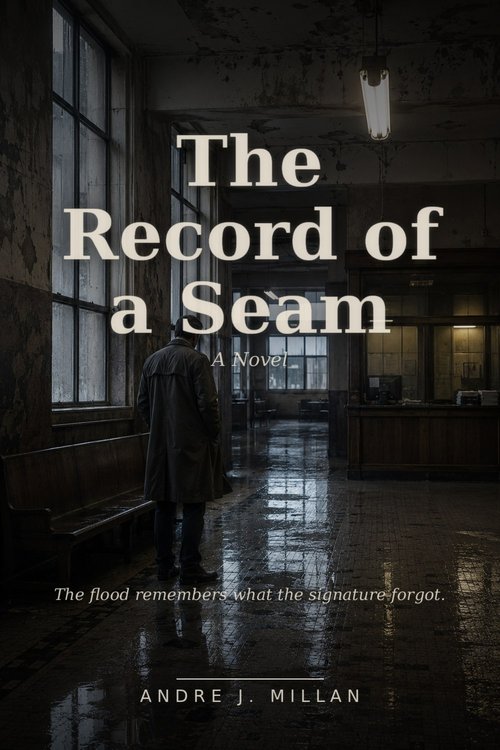
Damp, close, and saturated with mood. The setting—a flood-prone building under steady rain, with its mildew, standing water, and flat overcast light—becomes a presence in itself. The atmosphere is hushed and pressurized, the kind that makes you aware of dripping water and the temperature of a chair. It's immersive, sensory, and quietly oppressive in the best literary way.
Who would enjoy it?
Readers who love slow, controlled, atmospheric prose and character interiority—admirers of writers who find tension in restraint rather than spectacle. If you appreciate fiction that rewards close attention, lingers on physical detail, and trusts the reader to sit with ambiguity, this book is for you. Those who prefer fast plots and clear resolutions may find its pace too patient.