
About the Book
The Third Drawer
A spoiler-free guide for prospective readers.
Is this literary fiction or a thriller?
This is literary fiction with the bones of a slow-burn thriller. The propulsion comes less from external events than from psychological pressure and moral weight, so readers drawn to character-driven prose and atmosphere will feel at home, while those who appreciate quiet tension will find plenty to hold onto. Expect interiority and precision rather than high-velocity plotting.
Is there action?
Not in the conventional sense. The book trades chases and confrontations for a different kind of intensity—charged conversations, the felt pressure of a situation tightening, the physical reality of a building and a season pressing in. Tension is constant, but it lives in stillness, in what's said and unsaid across a desk, rather than in spectacle.
What themes does it explore?
The novel sits with questions of complicity and responsibility, the difference between knowing something and reckoning with it, and what a person owes to the truth and to the people around them. It's interested in institutions, paperwork, and the quiet machinery of how decisions accumulate—and in how a life narrows under sustained pressure. These are explored as open questions rather than delivered as conclusions.
What kind of atmosphere does it have?
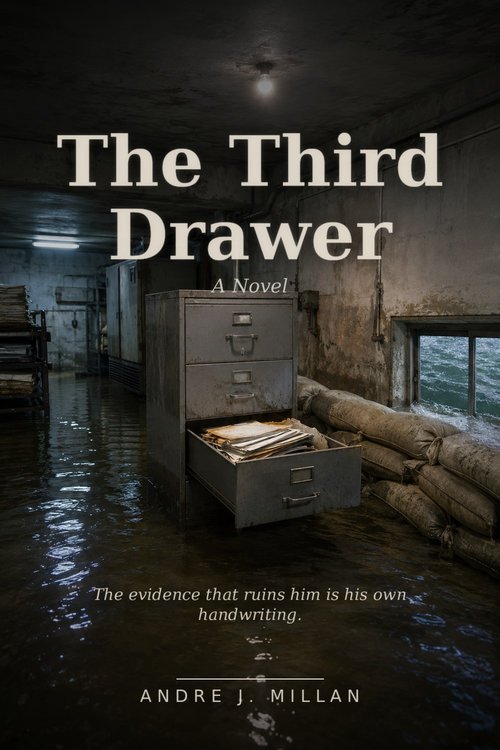
Cold, close, and meticulously observed. The setting—a converted building near a rising river, in damp late-spring weather—becomes almost a character, with its hums, smells, and small mechanical sounds rendered in exacting detail. The mood is claustrophobic and deliberate, steeped in a sense of mounting pressure and quiet dread.
Who would enjoy it?
Readers who love precise, atmospheric prose and slow-tightening tension—anyone drawn to writers who find suspense in the mundane and the moral. If you enjoy fiction that rewards close attention, where setting and interiority carry as much weight as plot, and you're patient with a deliberate pace, this will reward you.